







MSc in Endocrinology
The MSc in Endocrinology at International University Canada (IUC) is an advanced postgraduate program designed for graduates and healthcare professionals seeking in-depth academic and research knowledge in endocrinology, hormonal regulation, metabolism, and endocrine-related diseases.

Delivered through IUC’s flexible online learning environment, the program explores the scientific foundations of the endocrine system, metabolic health, hormonal disorders, diabetes, thyroid disease, reproductive endocrinology, obesity, osteoporosis, and emerging developments in endocrine research.
The program is particularly suitable for healthcare professionals, biomedical graduates, researchers, educators, and professionals seeking to develop specialized knowledge in endocrine and metabolic sciences while continuing their careers.
Program Highlight
School of Health Sciences
Duration
18 – 24 Months
Credits
60 Credits
Mode
Online
About the MSc in Endocrinology
The endocrine system plays a fundamental role in human growth, metabolism, reproduction, development, and overall health. Disorders affecting hormones and endocrine organs are increasingly associated with major global health challenges, including diabetes, obesity, thyroid disorders, osteoporosis, metabolic syndrome, and reproductive health problems.
The MSc in Endocrinology provides students with an advanced understanding of endocrine physiology, hormonal regulation, metabolic pathways, endocrine pathology, diagnostic approaches, and contemporary research.
Through advanced coursework and independent research, students develop the ability to critically evaluate scientific literature, understand current developments in endocrinology, and conduct research relevant to endocrine and metabolic health.
The program emphasizes academic knowledge, scientific research, evidence-based practice, and interdisciplinary understanding rather than independent clinical licensure.
Online MSc in Environmental Science (18–24 Months)
Session: 2025 – 2026
Program Structure
This online About the MSc in Endocrinology is structured for working environmental professionals and recent environmental science graduates. Students can study at their own pace while completing advanced coursework and a research dissertation.
- Duration: 18-24 Months (Full-Time Online)
- Total Credits: 60 Credits
- Format: 100% Online — live sessions, recorded lectures, and one-on-one supervisor meetings
- Dissertation:: Original environmental science research dissertation required for graduation
| Core Curriculum Topics | |
|---|---|
| Curriculum Topic | Topics Covered |
| Ecology & Biodiversity | Advanced Ecology, Ecosystem Management, Biodiversity Conservation, Wildlife Management — core focus of our online MSc in Environmental Science |
|
Climate Change & Environmental Management |
Climate Science, Carbon Management, Environmental Impact Assessment, Pollution Control — ideal for MSc in Environmental Science online |
|
Water Resources & Conservation |
Hydrology, Water Resource Management, Marine Ecology, Coastal Conservation — central to MSc in Ecology distance learning |
| Environmental Policy & Law | Environmental Law, International Environmental Agreements, Policy Analysis, Governance |
| Research Methodology | Environmental Research Methods, GIS & Remote Sensing, Mixed Methods, Statistical Analysis |
MSc in Endocrinology – Detailed Curriculum
The MSc in Endocrinology curriculum provides advanced academic knowledge in endocrine physiology, hormonal regulation, metabolic disorders, endocrine diseases, research methodology and contemporary developments in endocrinology.
| Program Structure | |
|---|---|
| Program | MSc in Endocrinology |
| Degree Level | Master’s Degree |
| Study Mode | Online / Distance Learning |
| Duration | 18–24 Months |
| Total Credits | 60 Credits |
| Research Component | Master’s Research Dissertation / Research Project |
Semester 1 – Foundations of Endocrinology
| Course Code | Course Title | Course Description | Credits |
|---|---|---|---|
| ENDO 501 | Advanced Endocrine Physiology | Study of endocrine glands, hormones, physiological regulation, hormonal feedback mechanisms and the role of the endocrine system in maintaining homeostasis. | 4 |
| ENDO 502 | Molecular Endocrinology | Exploration of hormone receptors, cellular signaling, gene expression, molecular pathways and the biological mechanisms underlying endocrine function and disease. | 4 |
| ENDO 503 | Endocrine Pathophysiology | Study of the mechanisms responsible for endocrine dysfunction, hormonal imbalance and the development of major endocrine diseases. | 4 |
| ENDO 504 | Diabetes & Metabolic Disorders | Advanced study of diabetes mellitus, insulin resistance, metabolic syndrome, diabetes complications and contemporary approaches to diabetes research. | 4 |
| ENDO 505 | Research Methodology in Health Sciences | Research design, literature review, research ethics, scientific writing, qualitative and quantitative research approaches and development of research proposals. | 4 |
Semester 2 – Specialized Endocrine Sciences
| Course Code | Course Title | Course Description | Credits |
|---|---|---|---|
| ENDO 511 | Thyroid Disorders | Thyroid physiology and major thyroid disorders including hypothyroidism, hyperthyroidism, thyroiditis, thyroid nodules and thyroid malignancies. | 4 |
| ENDO 512 | Pituitary & Hypothalamic Disorders | Study of the hypothalamic-pituitary axis and disorders involving growth hormone, prolactin, ACTH, TSH and other pituitary hormones. | 4 |
| ENDO 513 | Adrenal Endocrinology | Study of adrenal physiology and disorders involving cortisol, aldosterone, adrenal androgens and adrenal gland function. | 4 |
| ENDO 514 | Reproductive Endocrinology | Hormonal regulation of reproductive function, puberty, fertility, menstrual disorders, polycystic ovary syndrome and endocrine aspects of reproductive health. | 4 |
| ENDO 515 | Bone & Mineral Metabolism | Calcium and phosphate regulation, vitamin D, parathyroid function, osteoporosis and metabolic bone disorders. | 4 |
Semester 3 – Advanced Topics & Research
| Course Code | Course Title | Course Description | Credits |
|---|---|---|---|
| ENDO 521 | Obesity & Metabolic Syndrome | Biological, behavioral, environmental and metabolic factors associated with obesity, insulin resistance and metabolic syndrome. | 4 |
| ENDO 522 | Endocrine Pharmacology | Principles of pharmacological intervention in hormonal and metabolic disorders, mechanisms of action and therapeutic considerations. | 4 |
| ENDO 523 | Biostatistics & Epidemiology | Statistical methods, epidemiological concepts, data interpretation, study design and quantitative analysis used in endocrine and health research. | 4 |
| ENDO 524 | Contemporary Issues in Endocrinology | Exploration of emerging developments in endocrinology, metabolic science, endocrine research, technology and global health. | 4 |
| ENDO 525 | Advanced Research Seminar | Advanced academic discussion, critical literature evaluation, research proposal development and preparation for independent research. | 4 |
Semester 4 – Master’s Research Dissertation
| ENDO 590 |
Master’s Research Dissertation
Students conduct an independent postgraduate research project under academic supervision. The dissertation requires students to identify a research problem, review relevant literature, develop appropriate methodology, analyze findings and present a scholarly research dissertation. |
20 Credits
Research + Dissertation |
Credit Summary
| Study Component | Credits |
|---|---|
| Semester 1 – Foundations of Endocrinology | 20 |
| Semester 2 – Specialized Endocrine Sciences | 20 |
| Semester 3 – Advanced Topics & Research | 20 |
| Total Program Credits | 60 |
Curriculum Learning Outcomes
- Demonstrate advanced knowledge of endocrine physiology, hormonal regulation and metabolic processes.
- Explain the pathophysiological mechanisms associated with major endocrine and metabolic disorders.
- Critically evaluate contemporary scientific literature in endocrinology and related health sciences.
- Apply appropriate quantitative and qualitative research methods to endocrine and metabolic health questions.
- Interpret epidemiological, statistical and research data relevant to endocrine sciences.
- Develop scientifically appropriate research questions, proposals and research methodologies.
- Evaluate emerging developments and contemporary issues in endocrinology.
- Conduct an independent postgraduate research project and communicate research findings in an academically appropriate manner.
This curriculum is a proposed academic structure for the MSc in Endocrinology. Course titles, course codes, credit distribution, program duration and research requirements may be revised by International University Canada according to academic and institutional requirements. Applicants should confirm the latest official curriculum with IUC before enrollment.
FACULTY
Our online MSc in Endocrinology faculty are internationally recognized scholars with deep expertise in ecology, climate science, biodiversity conservation, and environmental policy. Each professor brings active research and field experience and a passion for mentoring students from India, Nepal, Malaysia, Cambodia, Pakistan, Bangladesh, Egypt, Nigeria, and across the world.

Dr. Nadine R. Okafor
Professor – School of Health Sciences
Dr. Steven J. Pratchett
Associate Professor – School of Health Sciences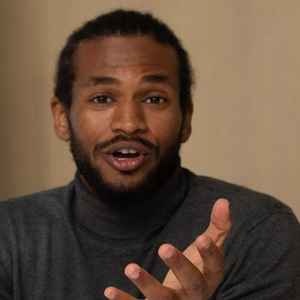
Dr. Meera D. Subramaniam
Assistant Professor – School of Health SciencesPrograms Cost
he online MSc in Environmental Science at IUC is one of the most affordable MSc in Environmental Science Canada options available. With a total course fee of just CAD $3,500 and up to 60% financial aid based on academic merit and life experience, students from Bangladesh, India, Nepal, Malaysia, Cambodia, Pakistan, Egypt, and Nigeria can access world-class postgraduate environmental science education at a fraction of the usual cost.
| Payment Plan | Amount | Frequency |
|---|---|---|
| Full Payment | CAD $3,500 | One-time — pay once, no extra charges |
| 2-Installment Plan | CAD $1,750 | 2 payments — every 6 months |
| 4-Installment Plan | CAD $875 | 4 payments — every 3 months |
| Monthly Plan | CAD $292 | 12 monthly payments |
| Your Bachelor’s / Master’s CGPA | Aid | You Pay |
|---|---|---|
| 3.8 – 4.0 | 60% | CAD $1,400 |
| 3.5 – 3.79 | 45% | CAD $1,925 |
| 3.0 – 3.49 | 30% | CAD $2,450 |
| 2.5 – 2.99 | 15% | CAD $2,975 |
| Prior publications or business awards | Extra 5–10% | Assessed individually |
| Your Experience | Aid | You Pay |
|---|---|---|
| 10+ years senior management or business leadership | 60% | CAD $1,400 |
| 5–9 years relevant professional experience | 40% | CAD $2,100 |
| Entrepreneurship or business ownership | 25% | CAD $2,625 |
| Government or public sector management | 30% | CAD $2,450 |
| NGO or community leadership | 20% | CAD $2,800 |
| Item | Details |
|---|---|
| Agent Commission | Available for authorized education consultants |
| How to Register | Email us at info@iuc-edu.ca |
| Commission Payment | Paid after student enrollment confirmation |
| Support Provided | Marketing materials, official letters, application support |
Apply Now
Applying for the online MSc in Homeopathic Medicine at IUC is simple and straightforward. We welcome applications from qualified health science graduates and natural medicine practitioners across Bangladesh, India, Nepal, Malaysia, Cambodia, Pakistan, Egypt, Nigeria, and all over the world.
Postgraduate / Graduate
Advance your career with our streamlined MBA admissions process designed for business graduates and working professionals.

International Students
Join a diverse global business community. We offer full support and guidance for international MBA applicants worldwide.

Transfer Students
Already started an MBA elsewhere? Contact us to discuss credit recognition and transfer options.

Apply Now
Applying for the online MSc in Endocrinology at IUC is simple and straightforward. We welcome applications from qualified environmental science, biology, and conservation graduates across Bangladesh, India, Nepal, Malaysia, Cambodia, Pakistan, Egypt, Nigeria, and all over the world.
Admissions Requirements
- A recognized Bachelor’s degree in Environmental Science, Biology, Ecology, or a related field
- Minimum CGPA of 2.5/4.0 on your Bachelor’s degree
- Official academic transcripts from all previous institutions
- Completed online application form
- Academic transcripts and degree certificates
- Valid National ID or Passport copy
- Two letters of recommendation (academic or professional)
- Statement of Purpose (1,000–1,500 words)
- Updated CV or Résumé
- Payment of non-refundable application fee
- Proof of financial ability to cover tuition costs
- Scholarship or bursary application (if applicable)
- Evidence of environmental research or field work experience (preferred)
- Professional environmental certifications (if applicable)
- Agent or self-funded sponsorship confirmation (if applicable)


Application Deadlines
| Intake | Applications Open | Deadline | Classes Begin |
|---|---|---|---|
| Spring Intake | October 1 | December 30 | January 15 |
| Fall Intake | April 1 | August 10 | September 5 |
| Rolling Admissions | Open Year-Round | Anytime | Next Available Session |
Requirements and Deadlines
Our program costs are designed to remain transparent competitive and accessible for students from diverse backgrounds. Each academic program includes tuition fees, registration charges and essential learning resources ensuring students receive high-quality education and comprehensive academic.